
Highlights
- Your yard can reveal potential trouble before winter arrives if you know what to look for.
- Cooler temperatures don’t necessarily mean seasonal lawn care is finished.
- Recurring trouble spots often provide useful clues about what’s happening in the soil or affecting overall turf health.
- Addressing concerns before winter can help prevent existing problems from carrying into spring.
Trying to decipher what your lawn is telling you before winter?
The clues are closer than you think. Grass that keeps growing, stubborn weeds, and puddles that linger after a rain all have something to say about what’s happening beneath the surface.
Take a walk around your yard and look for anything that seems unusual. Some signs call for action before cold weather settles in. Others can point to conditions worth keeping an eye on as the seasons change.
Here are six things your lawn is telling you before winter and what to do about them.
1. The growing season isn’t over just yet.
Don’t put the mower away just because cooler weather has arrived. Regular cutting may still be needed well into fall.
Cool-season varieties remain active as temperatures drop, so let conditions rather than the calendar determine when you’re finished for the year.
For the final cut, proper height matters. Going too short can cause stress, while leaving too much length can contribute to matting and disease. The ideal height depends on the variety growing in your yard.
2. Fallen leaves are starting to pile up.
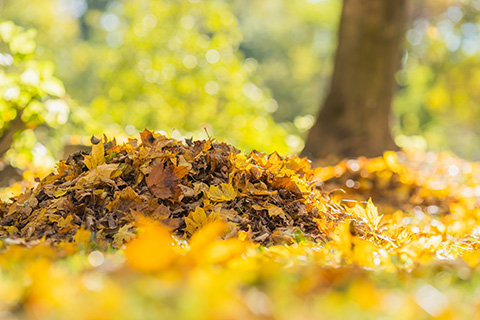
A scattering of colorful leaves isn’t a problem, but a thick, wet layer covering your yard is.
Matted leaves block the light and air the turf underneath needs. Rake up heavy accumulations or shred manageable amounts with your mower so the pieces can settle between the blades and decompose.
And don’t wait until every last leaf has fallen. Keeping up with them throughout the season makes the job easier and prevents heavy layers from sitting in place for weeks.
3. The ground is surprisingly dry.
Cooler weather can make it easy to forget about watering, but fall conditions don’t always provide enough rainfall.
Established turf still needs moisture while it’s actively growing. When Mother Nature isn’t providing enough, supplement as needed with a deep soaking rather than frequent, shallow watering.
Pay particular attention to newly seeded areas. Young roots need consistent moisture as they develop.
4. Weeds are still hanging around.
Unwanted growth doesn’t necessarily disappear with cooler weather. Different varieties have different life cycles, so it’s important to identify what you’re seeing before reaching for a weed killer.
Also pay attention to where the problem is occurring. Persistent patches can point to underlying conditions such as thin turf, excess moisture, or compacted soil.
5. Water is collecting where it shouldn’t.
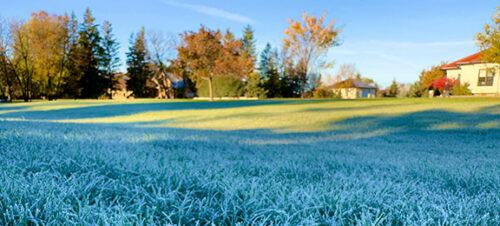 A good fall rain can reveal trouble spots that aren’t obvious during drier weather. Puddles that repeatedly form in the same places can be a sign that the soil is compacted or the area isn’t draining properly.
Those soggy spots are worth investigating. Standing water can stress turf and encourage unwanted growth, while repeated pooling may point to a problem that will continue through winter and into spring.
6. Something is digging up your yard.
Small holes, disturbed soil, or torn-up turf can be signs that animals are searching for food below the surface.
Skunks and raccoons commonly dig for beetle grubs and other insects, while birds may also probe the soil. But don’t assume that every disturbed area means you have a grub problem.
If the damage keeps appearing or becomes widespread, a lawn care professional can help identify what’s attracting the activity and whether the underlying issue needs attention.
Fall offers the perfect opportunity to spot concerns that might otherwise go unnoticed. Taking care of issues now can protect your yard through the colder months so it emerges strong and healthy when spring returns.